How Long Do Beauty Devices Really Last?

Most premium at-home LED masks are rated to last roughly 3–5 years with regular care, while budget models often fall short of 18 months. That gap comes down to two things: lumen depreciation (the slow fade in LED output measured by the L70 standard) and the earlier failure of batteries, driver boards, and wiring. Your device’s beauty device lifespan is not a fixed number printed on the box. It’s the result of how the device is built, how you use it, and whether you catch the warning signs before effectiveness drops off a cliff.
The bottom line: Expert estimates place LED mask lifespan at roughly 1,000–3,000 hours of use, translating to 2–5 years depending on quality and frequency of use.
Key Takeaways
Premium LED masks rated at 1,000–3,000 hours typically last 2–5 years in practice, with batteries and controller boards failing before the LED modules, and thermal management being the single most controllable factor in how long any device performs at full effectiveness.
| Point | Details |
|---|---|
| Expected lifespan range | Premium LED masks typically last 2–5 years; budget models often under 18 months. |
| What fails first | Batteries and controller boards fail before LED modules; check these specs at purchase. |
| L70 and effectiveness | At the L70 threshold, output drops to 70% of original; results may decline before the device stops working. |
| Best maintenance habit | Store cool and dry, avoid humid rooms, and keep battery charge between 20–80% to extend cycle life. |
| Sonedaskincare VividLift | Built for regular at-home use with clinical-grade HIFU+Sono technology and an extended warranty option available. |
Table of Contents
- What Does “Beauty Device Lifespan” Actually Mean?
- How LEDs Actually Age Inside Your Device
- Which Components Fail First?
- How Many Years Does Your Usage Pattern Actually Buy You?
- Signs Your Device Is Losing Effectiveness
- How to Extend Your Device’s Working Life
- Warranties, Repair Options, and Responsible Disposal
- What Specs Actually Predict Longevity at Purchase
- Why Thermal Management Dominates LED Device Longevity
- The Real Tradeoff Between Longevity and Cost
- Sonedaskincare’s Approach to Long-Lasting At-Home Devices
- Sources
What Does “Beauty Device Lifespan” Actually Mean?
Manufacturers express device life in at least four different ways, and confusing them leads to real disappointment at the checkout counter.
Rated hours are the most common spec. A label reading “50,000 hours” on an LED module sounds extraordinary, but that figure describes the LED diode in isolation, not the full device. Batteries, controllers, and flex wiring all age on their own timelines.
L-ratings tell you something more useful: the point at which light output drops to a defined percentage of its original brightness. L80 is a stricter standard. Neither means the device stops working at that point; it means perceived effectiveness has measurably declined.
Battery cycle life is separate again. Most lithium-ion packs in beauty devices are rated for 300–500 full charge cycles before capacity degrades noticeably. At one charge per day, that’s under two years before you notice shorter treatment times or faster drain.
Warranty period is the manufacturer’s confidence signal, not a lifespan guarantee. A two-year warranty on a device rated for 50,000 LED hours tells you the brand expects the non-LED components to be the weak link.
Here’s a quick reference for interpreting what you see on a spec sheet:
- Rated hours: Total predicted LED operating time before L70 threshold is reached
- L70: Output has fallen to 70% of original brightness at the rated hour mark
- L80: Stricter threshold; output at 80% of original at the rated hour mark
- Battery cycle life: Number of full charge/discharge cycles before capacity drops below ~80%
- Warranty period: Covered repair or replacement window; check whether it includes battery and parts
How LEDs Actually Age Inside Your Device
LEDs don’t burn out the way incandescent bulbs do. They fade. The process is called lumen depreciation: the diode’s light output gradually decreases over thousands of hours of operation. At that threshold, many users notice their sessions feel less effective, even if the device still technically turns on.
The more abrupt failures, the ones that feel like a sudden death, are almost never the diode’s fault. Research from HowToGeek confirms that driver boards, capacitors, and other small circuit components are the usual culprits. These parts are far more sensitive to heat and moisture than the LED itself. When a device feels like it “died overnight,” the diode is often still functional while the electronics around it have failed.
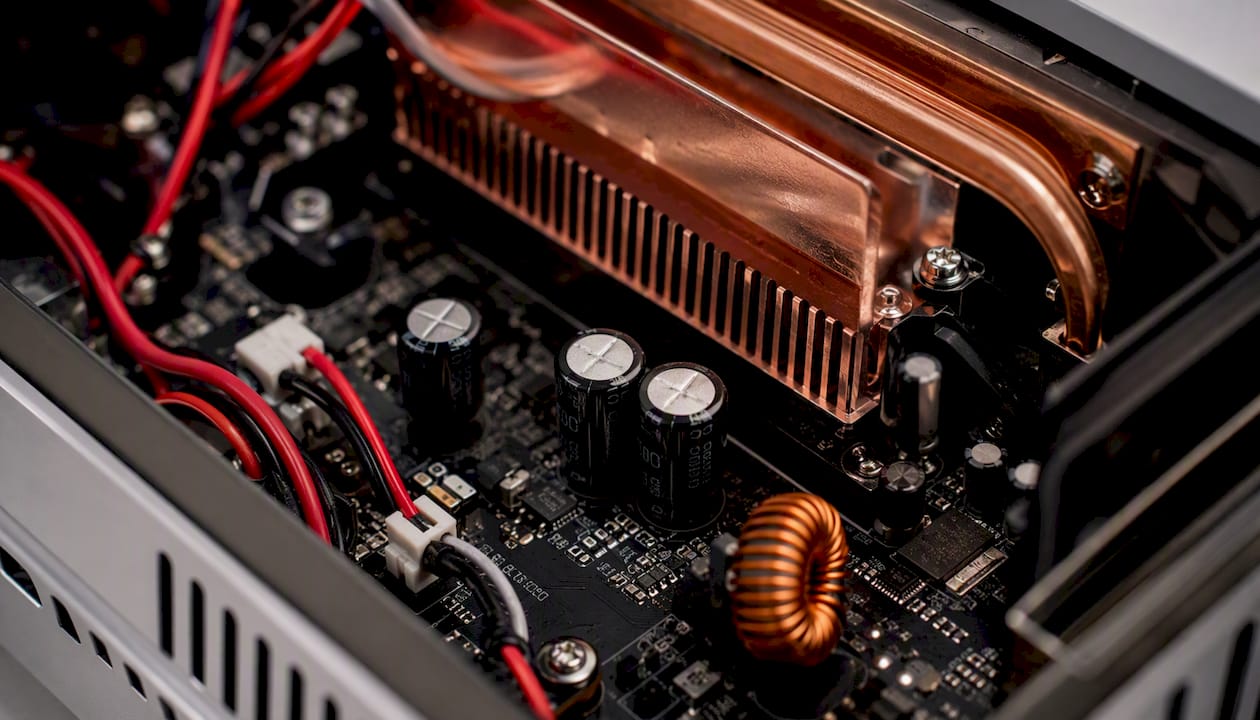
Heat is the accelerant. Poor thermal management raises the operating temperature of the entire circuit board, not just the LED junction. CNET’s expert reporting identifies heat exposure, humidity, and manufacturing quality as the three most common reasons LED products underperform their lab-rated hours in real-world conditions. A mask used in a steamy bathroom, or stored in a humid cabinet, is stacking two of those three risk factors simultaneously.
What this means practically: a device with a strong thermal design (visible vents, metal heat dissipation elements, not fully sealed) will consistently outlast one that traps heat inside a plastic shell, even if both carry the same rated-hour spec.
Which Components Fail First?
Premium LED face masks most often last 3–5 years with normal care, but the LED modules themselves are rarely what ends a device’s working life. Batteries, wiring, and controller boards typically give out first.
Here’s how the main components stack up:
- LED modules: Longest-lived component; rated 10,000–50,000 hours depending on quality; fail gradually via lumen depreciation rather than sudden failure
- Lithium-ion battery pack: 300–500 charge cycles; typically 1–2 years at daily use before noticeable capacity loss
- Flexible wiring and connectors: Vulnerable to repeated bending and moisture; often the first physical failure point in flexible silicone masks
- Controller/driver board: Sensitive to heat and humidity; sudden failure mode; harder and more expensive to replace
- Silicone and plastic housing: Degrades with UV exposure and harsh cleaners; rarely causes functional failure but affects fit and hygiene
| Component | Typical Lifespan Range | Most Common Failure Mode |
|---|---|---|
| LED modules | 10,000–50,000 rated hours | Gradual lumen depreciation (L70) |
| Lithium-ion battery | 300–500 cycles / 1–2 years at daily use | Capacity fade, faster drain |
| Flexible wiring | 1–3 years with regular use | Cracking, intermittent connection |
| Controller/driver board | 2–5 years | Heat or moisture damage, sudden failure |
| Silicone/plastic housing | 3–5 years | UV yellowing, surface cracking |
Quick checks by component:
- Battery: Does a full charge last as long as it did six months ago? Significant drop signals degradation.
- LED zones: Hold the mask up to a camera (smartphone cameras can detect near-infrared light) and look for dark patches.
- Wiring: Gently flex the mask at connection points. Any flickering during movement points to a wiring fault.
- Charging stability: Inconsistent charging or a device that won’t hold a charge past a short session often means the controller, not the battery, has failed.
How Many Years Does Your Usage Pattern Actually Buy You?
Experts estimate LED masks last roughly 1,000–3,000 hours depending on build quality and use frequency. Converting those hours into years depends entirely on how often and how long you use the device per session.
Those numbers look generous for LED hours, which is exactly the point: the LED modules are rarely what limits your device’s life. At any of these usage patterns, the battery and controller will likely fail years before the LEDs reach their L70 threshold. The practical lifespan ceiling is set by those weaker components, not the diodes.
One important nuance: reaching the L70 threshold doesn’t mean the device stops working. For at-home light therapy to remain effective, consistent output at the correct wavelength and intensity matters.
Signs Your Device Is Losing Effectiveness
Knowing when a device is past its prime saves you from months of ineffective treatments. These are the clearest signals:
Permanent degradation (not fixable):
- Visible dark zones when you photograph the mask with a smartphone camera
- Consistently weaker treatment results despite correct technique and session length
- Noticeably dimmer output compared to when the device was new
- Battery that drains in a fraction of the original session time, even after a full charge
Potentially fixable issues:
- Charging instability or failure to charge (try a different cable and adapter first; the charger fails more often than the battery)
- Error codes or unexpected shutdowns (check for a firmware update before assuming hardware failure)
- Flickering in specific LED zones during movement (may be a loose connector, not a dead LED)
- Reduced performance after storage (some lithium-ion packs need a few charge cycles to recalibrate after long periods of disuse)
A simple three-step check:
- Photograph the active mask with your smartphone camera in a dark room. Any dark patches are dead LED zones.
- Time a full charge and compare it to the device’s original charge time. A significantly shorter charge time often means reduced battery capacity.
- Run a timed session and compare your skin’s response over four to six weeks. Declining results with consistent technique point to output degradation, not user error.
How to Extend Your Device’s Working Life
The single highest-impact habit is thermal management: never use your LED mask in an enclosed space, never cover it with fabric during a session, and always let it cool fully before storing it. Heat is the dominant accelerant of every failure mode described above.
A prioritized maintenance routine:
- After every session: Wipe the LED surface with a soft, dry cloth. Avoid alcohol-based cleaners on silicone or plastic surfaces; they degrade the material over time.
- Weekly: Inspect the charging port and connectors for debris or corrosion. A dry cotton swab clears most buildup without introducing moisture.
- Monthly: Check the wiring at flex points for any visible cracking or stiffness. Catch this early and you may be able to avoid a full device replacement.
- Storage: Keep the device in its case or a breathable pouch, away from direct sunlight and humidity. A bathroom cabinet is one of the worst storage locations for any electronic beauty device.
Charging habits matter more than most users realize. Avoid running the battery completely flat before recharging. Lithium-ion cells degrade faster at the extremes of their charge range. Equally, don’t leave the device plugged in continuously after it reaches full charge.
Lithium-ion batteries stored at full charge or fully depleted lose capacity faster than those stored at a mid-range state of charge.*
When repair makes sense: if the device is under warranty, always claim it before spending anything out of pocket. Outside of warranty, a repair is worth considering when the cost is below roughly one-third of the replacement price and the failing component is a battery or charger rather than the controller board. Controller board replacements on consumer devices often cost more than a new entry-level device.
Warranties, Repair Options, and Responsible Disposal
The best predictor of long-term value is not the rated-hour spec. It’s the warranty length, what it covers, and how easy the claims process is. Check these before you buy:
- Warranty length: Two years is a meaningful signal of manufacturer confidence; one year is the minimum acceptable for a premium device.
- Battery and parts coverage: Many warranties exclude batteries after six months. Read the fine print.
- Proof-of-purchase requirements: Register your device immediately after purchase. Some brands void the warranty without registration.
- Service window: Confirm whether the brand offers repair or only replacement, and whether spare parts (especially batteries) are sold separately.
For extended warranty options, check whether the manufacturer offers a paid extension before the original warranty expires. This is often the most cost-effective way to protect a premium device past the standard coverage window.
Battery replacement: If your device allows user-accessible battery replacement, use only the manufacturer-specified cell. Substituting a third-party cell of the wrong capacity or chemistry can damage the controller board. If the battery is sealed inside the device, contact the manufacturer’s service team rather than attempting to open the housing yourself.
Disposal and recycling: LED beauty devices contain lithium-ion batteries and circuit boards that should not go into household trash. Most municipalities in the United States accept small electronics at designated e-waste drop-off sites. Retailers including Best Buy operate in-store recycling programs for small electronics. Check Earth911.com to locate the nearest certified recycler for your device type.
What Specs Actually Predict Longevity at Purchase
Most product pages bury the specs that matter most for durability. Here’s what to look for before you commit:
- Rated hours with an L-rating: A device listing “50,000 hours L70” is giving you a meaningful benchmark. A device listing only “50,000 hours” with no L-rating is giving you an unverified marketing claim.
- Battery cycle life: Look for 300 cycles minimum; 500+ is better. If this spec isn’t listed, ask the brand directly.
- IP or moisture rating: Any IP rating (IP54 or higher) indicates the device has been tested against moisture ingress. No rating means no tested protection.
- Replaceable parts: Can you buy a replacement battery, charging cable, or head attachment? Brands that sell spare parts expect their devices to be serviced, not discarded.
- Warranty length and scope: Two years covering parts and battery is the standard to aim for.
- Thermal design signals: Visible vents, metal contact points, or explicit mention of heat management in the product description are positive indicators.
One tradeoff worth understanding: flexible silicone masks conform better to facial contours and feel more comfortable, but the flex wiring running through the silicone is a genuine weak point. Rigid panel devices avoid that specific failure mode but sacrifice fit. For LED light therapy devices, the right format depends on how you prioritize comfort versus construction durability.
Questions to ask the seller or check on the product page:
- Is the battery user-replaceable or sealed?
- What is the warranty claims process, and is it handled by the brand or a third party?
- Are firmware updates available, and how are they applied?
- Does the warranty cover battery capacity loss, or only physical defects?
Why Thermal Management Dominates LED Device Longevity
Heat is the single most important variable in how fast an LED device ages. ENERGY STAR’s guidance on LED lighting identifies thermal management, specifically heat-sink design and enclosure engineering, as a primary determinant of real-world LED longevity. Lab-rated hours are measured under controlled thermal conditions. Your bathroom is not a controlled thermal environment.
Key insight from LED research: When LED devices fail earlier than their rated hours suggest, the cause is almost always thermal. Heat degrades driver components, accelerates electrolyte breakdown in capacitors, and corrodes solder joints on the circuit board. The LED diode itself is often the last component to show measurable decline.
What this means for shoppers: a device with a metal frame, visible ventilation slots, or explicit mention of thermal management in its engineering is not just a premium aesthetic choice. Those features directly extend the working life of every component inside the housing.
For users, the behavioral equivalent of good thermal design is simple: use the device in a cool, well-ventilated room, not immediately after a hot shower when ambient humidity is high. CNET’s expert reporting confirms that humid, enclosed environments are among the most consistent predictors of early LED product failure, a finding that applies directly to at-home beauty devices used in bathroom settings.

Pro Tip: Before purchasing, check whether the device’s product page mentions heat dissipation, ventilation, or thermal design. If none of those terms appear anywhere in the specs or FAQ, the brand may not have prioritized it, and that’s a meaningful signal about expected longevity.
Devices built with professional-use standards in mind, like Sonedaskincare’s VividLift HIFU+Sono device, apply clinical-grade engineering principles to at-home form factors, which typically includes more deliberate thermal and component design than entry-level consumer masks.
The Real Tradeoff Between Longevity and Cost
The conventional wisdom says buy the cheapest device that does the job and replace it when it fails. That logic works for a $30 face roller. It doesn’t hold for a device you’re using three to five times a week and expecting to deliver clinical-style results.
Here’s the practical rule: if you use a beauty device more than twice a week, the cost-per-treatment math almost always favors a premium device with a two-year or longer warranty and serviceable parts. A $300 device that lasts four years at three sessions per week costs roughly $0.48 per treatment. A $120 device that lasts 14 months at the same frequency costs about $0.64 per treatment, and you’ve also lost continuity in your skincare routine during the replacement gap.
The spec that most buyers overlook is serviceability. A device where you can replace the battery, buy a spare charger, or send it in for a controller board repair has a fundamentally different cost profile than one that becomes landfill the moment a single component fails. Longevity isn’t just about the LED hours. It’s about whether the brand has designed the product to be maintained.
Sonedaskincare’s Approach to Long-Lasting At-Home Devices
If clinical-grade results and device longevity are your priorities, Sonedaskincare’s VividLift 2-in-1 HIFU+Sono device is built for exactly that use case. It combines High-Intensity Focused Ultrasound and sonophoresis in a single at-home device, applying the kind of multi-technology engineering that supports consistent, long-term results rather than a single-function gadget you’ll outgrow.
Sonedaskincare backs the VividLift with a warranty and offers an extended warranty option for users who want coverage beyond the standard period, a direct signal of confidence in the device’s build quality. For readers who’ve worked through the lifespan math above and want a device designed for regular, multi-year use, the VividLift product page has full specs, warranty details, and current availability. Check the VividLift preorder page to see current pricing and coverage options.
Sources
- Learn about LED lighting | ENERGY STAR
- Do LED bulbs burn out? | Philips Hue FAQ
- Do LED bulbs burn out? | HowToGeek
- The Secret to Why Your LED Bulbs Burn Out So Fast - CNET