

Posted by Soneda Skincare Team
on July 13, 2026

K-beauty trends 2026 are defined by three forces: regenerative ingredients moving from clinics into home use, minimalist routines replacing multi-step rituals, and clinical-grade delivery technology making actives work harder. The shift from anti-aging to skin longevity is the single biggest philosophical change driving Korean skincare innovation this year. Brands are no longer selling quick fixes. They are selling cellular health, sustained skin function, and personalized results backed by clinical data. If you want to build a smarter routine in 2026, understanding these forces gives you a real advantage.
1. What are the leading regenerative ingredients in K-beauty skincare 2026?
Regenerative ingredients are the defining story of Korean beauty this year. PDRN leads all actives, appearing in 26% of K-beauty product submissions in 2026. Collagen follows at 22%, glutathione at 20%, vitamin C at 18%, and retinol at 14%.
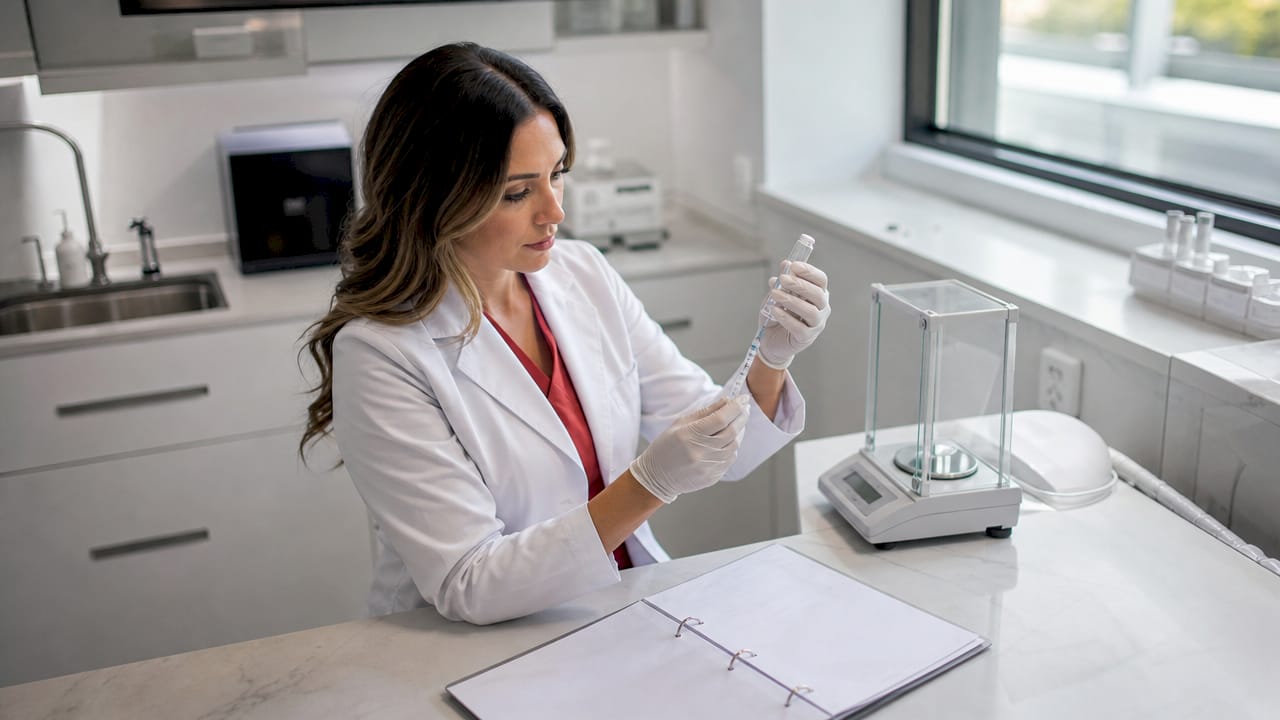
PDRN, short for Polydeoxyribonucleotide, was once reserved for clinical aesthetic treatments. Korean biotech has shortened clinical-to-consumer translation to under 24 months, which is why you now find it in serums and ampoules sold at accessible price points. That speed matters because it means the actives in your routine today are genuinely clinical grade, not watered-down versions.
EGF (Epidermal Growth Factor) and copper peptides are rising alongside PDRN. These ingredients focus on long-term skin resilience and repair rather than surface-level brightening. The philosophy is cellular renewal, not cosmetic coverage.
Key regenerative actives to look for in 2026 products:
- PDRN: Supports tissue repair and collagen synthesis at a cellular level
- EGF: Stimulates skin cell turnover and accelerates healing
- Copper peptides: Promote collagen and elastin production while calming inflammation
- Exosomes: Emerging cell-signaling actives moving from aesthetics clinics into consumer serums
- Glutathione: Antioxidant brightening with systemic skin health benefits
Pro Tip: When evaluating a PDRN product, check that it lists PDRN or sodium DNA in the top half of the ingredient list. Products with PDRN buried near the bottom contain concentrations too low to produce meaningful results.
2. How delivery technology makes ingredients actually work
The best ingredient in the world does nothing if it cannot reach the right skin layer. Advanced delivery systems like spicules and microneedles rank first in K-beauty technology adoption, holding 31% market presence. Pads and patches follow at 23%.
Spicules are microscopic silica needles derived from sea sponges. They physically create micro-channels in the skin’s surface, allowing actives like PDRN and EGF to penetrate the dermis rather than sitting on top of the stratum corneum. The result is a measurable difference in efficacy compared to standard cream or serum application.
Microneedle patches work on the same principle. They dissolve into the skin and deposit actives directly at the target depth. Clinical-grade PDRN products specifically require advanced delivery systems like microneedles for meaningful skin penetration. Without them, even high-concentration formulas underperform.
Sonophoresis is another delivery method gaining traction in 2026. It uses low-frequency ultrasound waves to temporarily increase skin permeability, pushing serums and actives deeper than topical application alone can achieve. Sonedaskincare’s VividLift™ device uses advanced sonophoresis technology to maximize absorption of the serums you already use, making it a direct application of this K-beauty delivery trend at home.
3. How streamlined routines are redefining Korean skincare trends 2026
The 10-step K-beauty routine is no longer the standard. Average skincare steps for US Gen-Z dropped from 6.2 to 4.1 between 2024 and 2026. That is a 34% reduction in steps, and it signals a fundamental shift in how people think about skincare.
Fewer steps does not mean less investment. Unit prices rose 15–20% over the same period. Skincare enthusiasts are spending more per product because they are choosing fewer, better products. This is the “Slow Beauty” movement in practice: quality over quantity, efficacy over ritual.
The practical result is a new category of multifunctional products designed to replace two or three steps in one. Toner pads that exfoliate, hydrate, and prep skin in a single swipe are a clear example. Essence-serums that combine hydration and active treatment are another.
- Assess your current routine. Identify which steps deliver visible results and which are filler.
- Consolidate with multifunctional products. Look for toner pads, essence-serums, and SPF moisturizers that combine functions.
- Invest in delivery, not just ingredients. A well-formulated four-step routine with good delivery tech outperforms a ten-step routine of basic products.
- Prioritize barrier support. Postbiotic and ceramide-rich products do more per step than most active-heavy formulas.
Pro Tip: Build your simplified routine around one hero active (PDRN, EGF, or niacinamide) and let every other product support it. Layering five different actives in a four-step routine defeats the purpose of going minimal.
For a structured approach to building an age-focused minimal routine, the 2026 aging skin guide from Sonedaskincare walks through exactly how to sequence fewer products for maximum results.
4. How technology is transforming K-beauty through personalization
K-beauty is transitioning from product-as-commodity to skincare-as-a-service, integrating AI diagnostics and smart home devices into the daily routine. This is not a future prediction. It is already the operating model for leading Korean brands in 2026.
AI-driven skin analysis platforms launched by Korean firms now allow real-time personalized skin analysis. The Skinsight platform, for example, analyzes skin tightness, hydration, and aging biomarkers from images and generates regimen recommendations. That kind of diagnostic precision was previously available only in dermatology offices.
“The most significant shift in K-beauty is not a new ingredient. It is the move toward personalized, data-driven skincare that treats your skin as a system rather than a surface. AI diagnostics and home-use clinical devices are making that possible for everyday consumers.”
Smart home beauty devices are the hardware side of this shift. Devices using High-Intensity Focused Ultrasound (HIFU) and sonophoresis deliver clinical-grade outcomes without a spa visit. Skinification products, which blend skincare actives into makeup formats, saw a 47% increase in Google search volume and a 62% revenue increase in the US Sephora segment from 2025 to 2026. That number shows how deeply the technology-meets-beauty trend has penetrated mainstream American retail.
5. What cultural and market forces are driving K-beauty growth in the US?
The masstige pricing segment, covering the $10–$30 price band, is the primary engine of Korean indie brand growth in the US market. K-beauty SKUs in Whole Foods grew from 12 in 2024 to 47 in 2026. Target’s K-beauty category posted 18% revenue growth over the same period. These numbers show that K-beauty is not a niche anymore. It is a mainstream American retail category.
Pharmacy-positioned skincare is another major force. Products backed by clinical testing and dermatologist endorsement are increasingly what American consumers reach for. The credibility signal of clinical validation now matters as much as the ingredient story.
Korean and Japanese R&D collaborations are producing hybrid formulations that blend K-beauty actives with J-beauty minimalism and fermentation expertise. The result is a new category of products that combine the ingredient density of Korean formulation with the texture refinement of Japanese cosmetic science.
| Market Trend | What It Means for You |
|---|---|
| Masstige pricing ($10–$30) | Clinical-grade actives are now accessible without luxury price tags |
| Pharmacy positioning | Dermatologist-backed products signal real efficacy, not just marketing |
| K-J beauty hybrids | Fermented actives plus Korean peptides in one formula |
| Postbiotic enrichment | Barrier-first products that support the skin microbiome long-term |
| Clinical validation standard | Look for Korea Institute of Dermatological Sciences testing as a credibility marker |
Consumer demand for barrier-first, postbiotic-enriched products reflects a broader values shift. American skincare enthusiasts are prioritizing long-term skin health over short-term glow. That aligns directly with the skin longevity philosophy driving Korean R&D investment in 2026.
Key takeaways
The most important K-beauty shift in 2026 is the move from surface-level treatments to clinically validated, delivery-optimized regenerative skincare that works at the cellular level.
| Point | Details |
|---|---|
| PDRN leads ingredients | PDRN appears in 26% of 2026 K-beauty products, making it the top regenerative active to prioritize. |
| Fewer steps, higher spend | US Gen-Z cut average routine steps from 6.2 to 4.1 while unit prices rose 15–20%. |
| Delivery tech is non-negotiable | Spicules and microneedles hold 31% market presence because penetration determines efficacy. |
| AI personalization is here now | Korean AI platforms analyze hydration and aging biomarkers from images for real-time regimen advice. |
| Masstige drives US growth | K-beauty SKUs in Whole Foods grew from 12 to 47 in two years, confirming mainstream US adoption. |
What I actually think about where K-beauty is heading
The trends I find most credible in 2026 are not the flashy ones. PDRN and EGF are not new discoveries. What is new is the delivery infrastructure that finally makes them work in a home setting. For years, the gap between a clinical PDRN treatment and a consumer PDRN serum was enormous. That gap is closing fast, and the reason is delivery technology, not ingredient innovation alone.
The minimalism trend is real, but I think it is being misread by a lot of brands. Fewer steps does not mean simpler formulas. It means consumers are demanding that each product do more. That raises the bar for formulation quality significantly. A four-step routine built around a well-delivered PDRN serum and a collagen support sequence will outperform a ten-step routine of average products every time.
What I am watching beyond 2026 is microbiome personalization. The postbiotic trend is early-stage right now, but the science behind skin microbiome modulation is advancing quickly. Within two to three years, I expect personalized probiotic and postbiotic formulations calibrated to individual microbiome profiles to become a mainstream K-beauty category. The brands investing in microbiome R&D today are the ones to follow.
My honest recommendation: stop chasing ingredient novelty and start evaluating delivery systems. The ingredient list tells you what is in the product. The delivery technology tells you whether it will actually reach your skin.
— Customer
Sonedaskincare’s VividLift™ brings 2026 K-beauty tech home
The trends shaping Korean skincare in 2026, regenerative actives, clinical delivery, and personalized results, are exactly what Sonedaskincare built the VividLift™ 2-in-1 HIFU+Sono device to address.
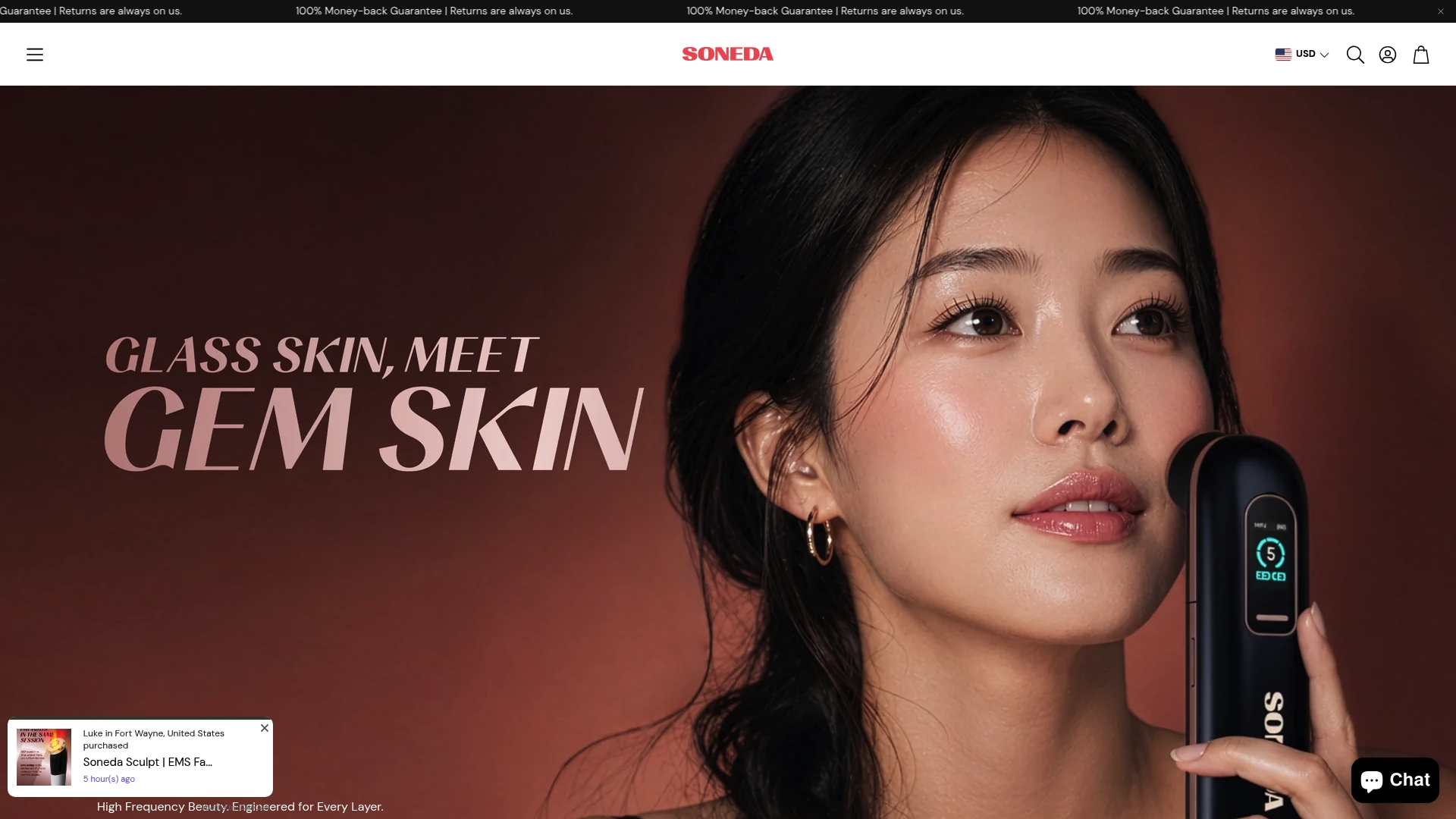
The VividLift™ combines High-Intensity Focused Ultrasound (HIFU) for collagen production and skin lifting with sonophoresis for deep ingredient absorption. Clinical results show a 175% increase in skin hydration, and the device carries a 100% user satisfaction rate. It delivers the kind of outcome that previously required a professional treatment room. You can preorder the VividLift™ and bring clinically proven K-beauty technology into your daily routine at home.
FAQ
What is the top K-beauty ingredient trend in 2026?
PDRN (Polydeoxyribonucleotide) is the leading ingredient, appearing in 26% of K-beauty product submissions in 2026. It supports tissue repair and collagen synthesis at a cellular level.
How many steps should a 2026 K-beauty routine have?
The average US Gen-Z routine dropped from 6.2 to 4.1 steps between 2024 and 2026. A well-formulated four-step routine with strong delivery technology outperforms longer routines built on average products.
What delivery technologies make K-beauty products more effective?
Spicules, microneedles, and sonophoresis are the leading delivery systems in 2026, holding 31% market presence. They physically increase skin permeability so actives reach the dermis rather than sitting on the surface.
Is K-beauty affordable for American consumers?
The masstige segment ($10–$30) is the dominant pricing tier driving Korean indie brand growth in the US. K-beauty SKUs in Whole Foods grew from 12 in 2024 to 47 in 2026, confirming broad retail availability.
What is the difference between anti-aging and skin longevity in K-beauty?
Anti-aging targets visible signs like wrinkles after they appear. Skin longevity focuses on cellular health and sustained skin function to prevent decline over time, using ingredients like EGF and copper peptides.


