HIFU Side Effects: What to Expect From At-Home Devices

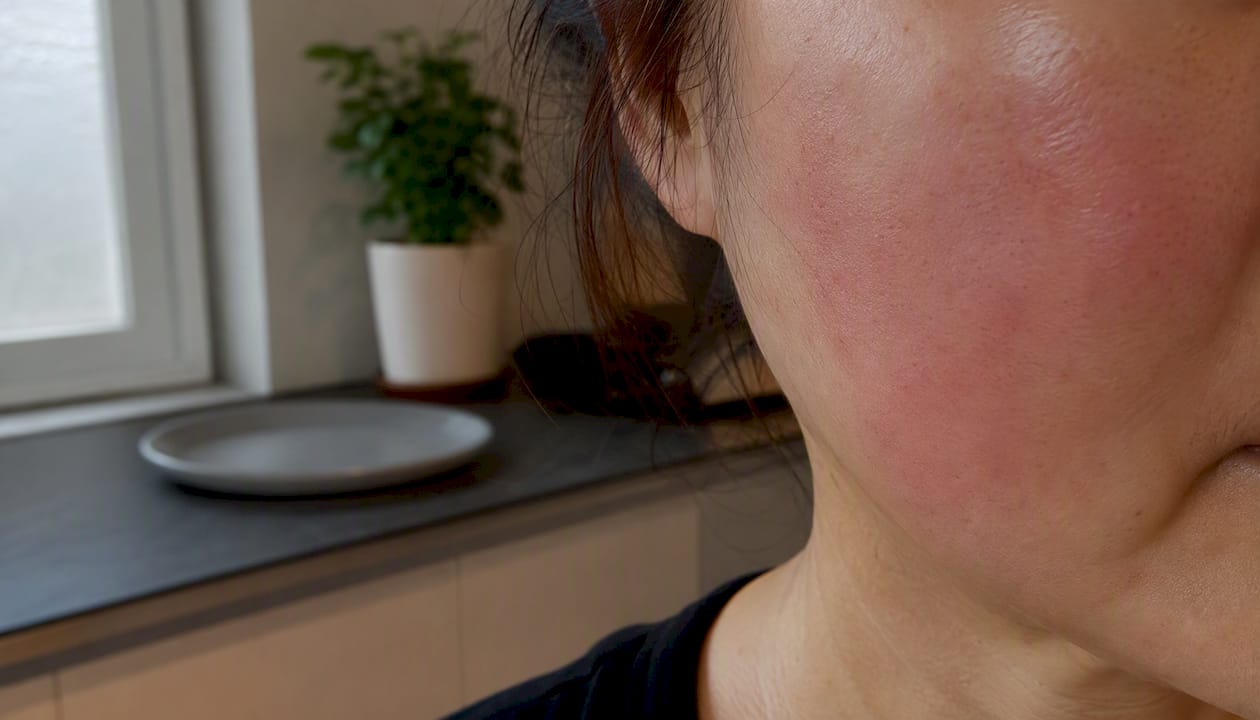
At-home HIFU devices most commonly cause short-lived redness, mild swelling, and tenderness that resolve within 72 hours. Serious complications are uncommon but real. Here is what you can expect:
Typical, temporary reactions:
- Redness or erythema (fades within hours to a day)
- Mild swelling or puffiness around treated areas
- Pinpoint tenderness or sensitivity to touch
- Tingling or temporary numbness
- Occasional light bruising
Rare but serious risks: thermal burns, nerve injury, prolonged pigment changes, and ocular effects. These are avoidable with correct technique. For practical steps to reduce your risk, go directly to the risk-reduction section below. If you notice blistering, vision changes, or spreading redness, the “when to seek care” section covers exactly what to do.
Key Takeaways
At-home HIFU devices are generally safe when used correctly, but knowing the side effects, risk factors, and red flags is what separates a good result from a preventable complication.
| Point | Details |
|---|---|
| Common side effects resolve quickly | Redness, swelling, and tenderness typically clear within 24–72 hours with basic aftercare. |
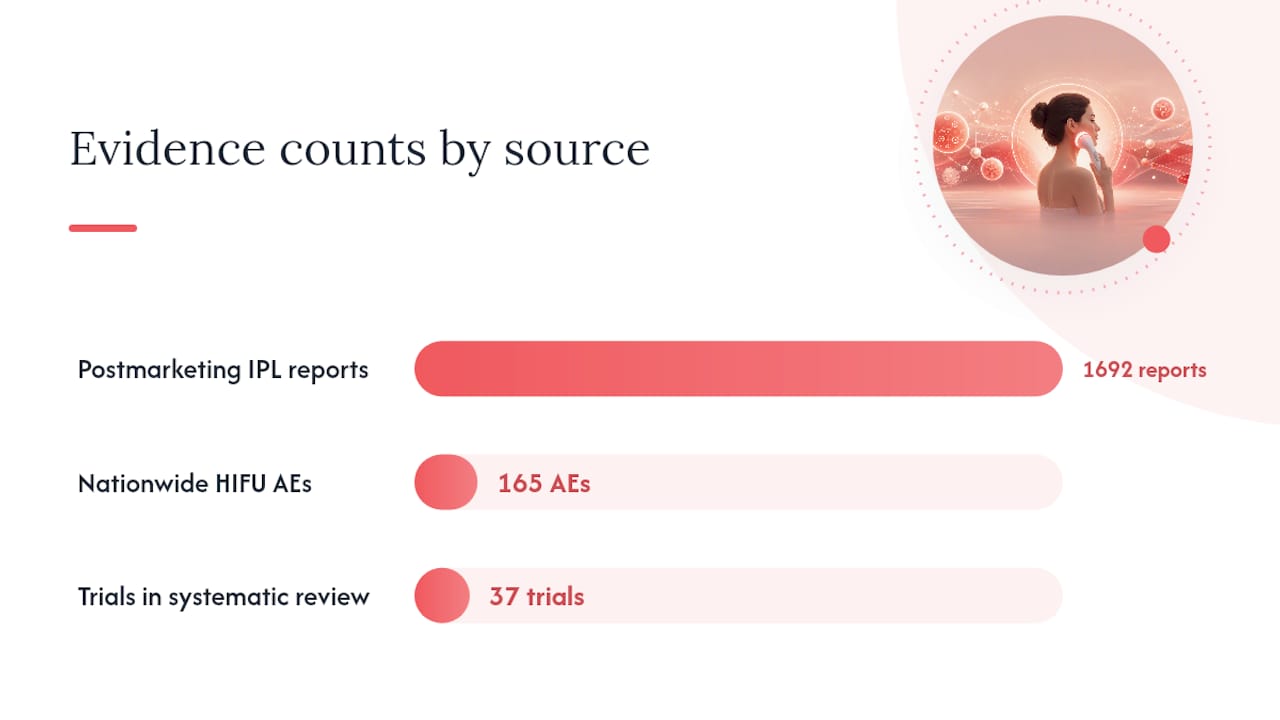
| Serious events are rare but documented | A nationwide survey recorded 165 adverse events including 61 burns and 49 neuropathy cases; the 4.5 mm cartridge was most often implicated. |
| Risk reduction starts before you treat | Patch test, follow the treatment map, use conductive gel, and start at the lowest energy setting every session. |
| Red flags require immediate action | Stop and seek care for blistering, vision changes, severe pain, or spreading redness — do not continue treatment. |
| Sonedaskincare VividLift™ | Preset depths, guided sequences, and clinical testing make it a safety-conscious choice for at-home HIFU. |
Table of Contents
- How does at-home HIFU cause side effects?
- What are the most common HIFU side effects?
- Serious risks you should know about
- Who faces higher risk from at-home HIFU?
- How to reduce your risk before and during each session
- Aftercare that protects your skin post-session
- When should you stop and seek medical care?
- What does the evidence actually say about at-home HIFU safety?
- Sonedaskincare’s approach to safe at-home HIFU
- The VividLift™ 2-in-1 HIFU+Sono: built for safe at-home results
- Sources
How does at-home HIFU cause side effects?
Consumer HIFU devices work by focusing ultrasound energy into a precise point within the dermis or subdermal layer. That concentrated heat triggers collagen remodeling, which is the mechanism behind lifting and firming. The same heat also produces the sensations and temporary reactions you feel during and after a session.
Transducer depth matters more than most users realize. Shallow cartridges (1.5 mm and 3.0 mm) target the upper dermis and are generally well-tolerated. The 4.5 mm depth cartridge reaches the superficial muscular aponeurotic system (SMAS) layer, and a nationwide HIFU adverse-event survey found it was the depth most frequently implicated in serious adverse events.
Key mechanism insight: Ultrasound energy reflects off bone and can concentrate unexpectedly near thin-skinned areas like the jaw, temples, and orbital rim. Nerves, vessels, and the eyes sit close to the surface in these zones, which is why skipping the periorbital area and following your device’s treatment map are non-negotiable safety steps.
What are the most common HIFU side effects?
These reactions are expected, normal, and typically short-lived. A systematic review of 37 home-device trials found that home-use energy devices generally showed favorable short-term safety profiles, with most adverse events being mild and transient.
Common effects and their typical timeline:
- Redness (erythema): Appears immediately, usually fades within a few hours to 24 hours
- Mild swelling: Peaks within the first 24 hours, resolves within 48–72 hours
- Tenderness or sensitivity: Can persist up to a week in areas treated at higher energy
- Tingling or numbness: Temporary, usually resolves within 24–72 hours
- Light bruising: Occasional, typically clears within 1–2 weeks
Simple self-care steps for the first 48 hours:
- Apply a cool (not ice-cold) compress for 10 minutes to reduce swelling
- Use a gentle, fragrance-free moisturizer to support the skin barrier
- Avoid direct sun exposure and apply SPF 30 or higher
- Skip active exfoliants (AHAs, BHAs, retinoids) for at least 5–7 days
Serious risks you should know about
Serious HIFU complications are uncommon, but they do occur. The key ones are thermal burns, peripheral nerve injury (neuropathy), ocular effects including floaters and, in rare cases, cataracts, prolonged hyperpigmentation, and scarring.
A nationwide survey of HIFU adverse events identified 139 valid cases with 165 total adverse events. Burns accounted for 61 cases, and neuropathy for 49. Purpura or subcutaneous hemorrhage was reported in 19 cases, hyperpigmentation in 10, and floaters and cataracts appeared in rare instances. These numbers come from clinical and professional settings, but the mechanisms apply equally to consumer devices.
Signs that something is not a normal reaction:
- Blistering or open skin at the treatment site
- Severe or sharp pain during or after treatment (not mild warmth or tingling)
- Persistent numbness lasting more than a few days
- Vision changes of any kind, including floaters or blurred vision
- Spreading redness, warmth, or fever, suggesting possible infection
Pro Tip: Take a photo of your skin immediately before and after each session. If a reaction looks worse at 48 hours than it did at 24 hours, that is a signal to stop and consult a dermatologist rather than continue treatment.
Who faces higher risk from at-home HIFU?
Certain people face meaningfully higher risk and should either consult a clinician before using a consumer HIFU device or avoid it altogether.
Higher-risk categories:
- Thin skin over bony prominences (temples, jaw, orbital rim)
- Darker skin tones (Fitzpatrick IV–VI), which carry greater hyperpigmentation risk
- Recent injectable treatments (wait at least 2–4 weeks after fillers or neurotoxins)
- Recent chemical peels or laser resurfacing (allow full healing first)
- Active skin infections, open wounds, or inflammatory conditions in the treatment area
- Pregnancy
- Implanted electronic devices (pacemakers, cochlear implants, neurostimulators)
- Metal implants or surgical hardware in the face or neck
Consult a clinician if: you have a history of facial nerve damage, prior facial surgery, keloid scarring, or any active autoimmune skin condition. These are not automatic disqualifiers, but the risk-benefit calculation changes, and a dermatologist can help you decide. The same applies if you take photosensitizing medications or have a condition affecting wound healing.
How to reduce your risk before and during each session
The three most protective steps are following your device’s treatment map precisely, using adequate conductive gel throughout, and starting at the lowest energy setting with a patch test before your first full session.
Step-by-step checklist for safer at-home HIFU use:
- Patch test first. Treat a small area (inner arm or behind the ear) 24 hours before your first facial session. Check for unusual redness, blistering, or prolonged sensitivity.
- Mark your treatment map. Use your device manual’s facial grid or the Soneda VividLift lifting sequence as your guide. Never freehand the treatment.
- Apply conductive gel generously. Dry skin contact concentrates heat and raises burn risk. Reapply gel whenever the transducer starts to drag.
- Start at the lowest energy setting. Increase only after confirming your skin tolerates the lower level across multiple sessions.
- Avoid the periorbital area entirely. Stay at least 1.5 cm from the orbital rim. Never treat directly over the eye socket.
- Keep the transducer moving. Dwelling on one spot concentrates heat and is the most common cause of localized burns.
- Select the correct cartridge depth. Use shallower cartridges (1.5 mm or 3.0 mm) for thinner skin zones. Reserve the 4.5 mm cartridge for areas with adequate tissue depth.
- Space sessions appropriately. Most consumer devices recommend 4–6 weeks between full-face sessions. Collagen remodeling takes time; more frequent use does not accelerate results.
- Log your reactions. Note energy level, cartridge used, areas treated, and any reactions after each session. This record is invaluable if you need to consult a clinician.
Pro Tip: If you feel sharp pain (not warmth) at any point during a session, lift the transducer immediately. Sharp pain signals periosteal contact or nerve proximity, not collagen stimulation.
Aftercare that protects your skin post-session
The three priorities after any HIFU session are cooling, hydration, and sun protection. Getting these right in the first 24 hours significantly reduces your risk of prolonged redness or pigment changes.
Timeline for aftercare:
- 0–24 hours: Cool compress for 10 minutes as needed. Cleanse with a gentle, sulfate-free cleanser. Apply a fragrance-free, barrier-supporting moisturizer. No heat exposure (sauna, hot shower, intense exercise).
- 24–72 hours: Continue gentle moisturizing. Apply SPF 30+ every morning, even indoors near windows. Avoid makeup with alcohol or fragrance if skin feels sensitive.
- Up to 2 weeks: Skip exfoliating acids, retinoids, and physical scrubs. Reintroduce actives gradually once all sensitivity has resolved.
Sun protection is not optional after HIFU. Treated skin is temporarily more vulnerable to UV-induced pigment changes. Skipping SPF in the days following a session is one of the most common reasons users develop post-inflammatory hyperpigmentation that could have been avoided.
When should you stop and seek medical care?
Stop treatment immediately and seek medical attention for any of the following:
- Blistering or open skin at the treatment site
- Severe or sharp pain that does not subside after treatment ends
- Any vision changes: floaters, blurred vision, light sensitivity, or eye pain
- Progressive numbness or weakness in the face lasting more than 72 hours
- Spreading redness, warmth, swelling, or fever that suggests infection
If you experience any of these, document the reaction with photos, note the device model, cartridge depth, energy setting, and time of treatment, and contact a board-certified dermatologist. For vision changes or signs of severe burns, go to an emergency department without delay. Bring your device or its manual so the clinician understands the technology involved.
What does the evidence actually say about at-home HIFU safety?
The short answer: short-term safety data for home energy devices is generally reassuring, but large, long-term randomized controlled trials for consumer HIFU specifically are limited.
A systematic review covering 37 clinical trials of home-use dermatologic devices found that many showed favorable short-term safety profiles, but highlighted that long-term efficacy and safety data remain thin across the category. Postmarketing surveillance fills some of that gap. A postmarketing analysis of a home-use IPL device tracked 1,692 voluntary adverse event reports over five years, finding an adjusted reporting rate of 67 cases per 100,000 devices shipped.
Surveillance data for home microcurrent devices adds a broader cautionary note: MAUDE database analyses have captured rare but serious reports including arrhythmia and retinal detachment, underscoring that consumer energy devices as a category can produce unexpected events that small clinical trials miss.
| Evidence type | Key finding | Limitation |
|---|---|---|
| Nationwide HIFU AE survey | 165 adverse events across 139 cases; burns and neuropathy most common | Clinical/professional settings; not exclusively consumer devices |
| Systematic review (37 trials) | Favorable short-term safety for home devices | Limited long-term follow-up; variable protocols |
| Postmarketing IPL surveillance | 67 AE reports per 100,000 devices shipped | Voluntary reporting; likely underestimates true rate |
| MAUDE microcurrent analysis | Rare serious events (arrhythmia, retinal detachment) captured | Case reports; causality not always confirmed |
The practical takeaway: conservative use, correct technique, and following manufacturer guidance are recommended precisely because large, long-term safety data for consumer HIFU does not yet exist at scale.
Sonedaskincare’s approach to safe at-home HIFU
Sonedaskincare builds safety into the VividLift™ design from the start. The device ships with preset depth cartridges, guided treatment sequences, and a detailed user manual that covers contraindications, gel requirements, and area-specific cautions. These features directly address the most common sources of user error identified in adverse-event data: incorrect depth selection, dry-contact use, and treating high-risk anatomical zones.
The brand’s in-house clinical data reports a 175% increase in skin hydration and a 100% user satisfaction rate. Sonedaskincare also publishes educational content explaining how HIFU works and how it compares to other modalities, so you can make an informed decision before your first session.
The VividLift™ 2-in-1 HIFU+Sono: built for safe at-home results
If you are ready to use a consumer HIFU device, the Sonedaskincare VividLift™ 2-in-1 HIFU+Sono is designed to reduce the most common sources of user error. Preset cartridge depths remove guesswork on depth selection. Guided lifting and sculpting sequences walk you through treatment mapping step by step. The dual HIFU and sonophoresis modes let you pair collagen stimulation with active ingredient delivery in one session.

Preorder the VividLift™ or explore the full device lineup to find the right option for your skin goals.
Sources
- Home-based devices for dermatologic use: systematic review (Springer)
- Systematic reviews and trials of home-use dermatologic devices (PMC review)
This article provides general information only and is not a substitute for professional medical advice. Consult a board-certified dermatologist before using any at-home energy device if you have pre-existing skin conditions, medical implants, or a complex medical history.