

Posted by Soneda Skincare Team
on August 03, 2026

For neck skin rejuvenation, a dual-wavelength LED device combining 630–670 nm red with 830–850 nm near-infrared is the most clinically supported at-home approach. For chronic neck pain, prioritize near-infrared output in the 780–860 nm range with targeted cervical placement. The Soneda Lumira LED Face & Neck Mask is the recommended option for skin-focused users, while the VividLift™ 2-in-1 HIFU+Sono adds collagen-stimulating depth for those dealing with both laxity and pain.
This guide is for you if:
- You want to reduce neck wrinkles, crepey texture, or uneven tone on your neck and décolleté
- You experience chronic or recurring neck pain and want a clinically grounded at-home protocol
- You have both concerns and need a device that addresses skin and deeper tissue in one routine
Table of Contents
- What does the clinical evidence say about red light therapy for the neck?
- Which device types actually work for neck anatomy?
- What should you look for when buying a red light device for the neck?
- How do you use a red light device on the neck correctly?
- Is red light therapy on the neck safe, and who should avoid it?
- Why Soneda’s neck-capable devices are the recommended at-home option
- What users say about neck red light therapy results
- Key Takeaways
- The tradeoffs most buyers underestimate when choosing a neck device
- Soneda’s neck-capable devices: what’s available and how to get them
- Sources and further reading
What does the clinical evidence say about red light therapy for the neck?
The science behind photobiomodulation (PBM), the formal term for what most people call red light therapy, is more solid than many buyers realize. Two distinct bodies of research cover neck skin and neck pain separately, and both show meaningful results.
For neck skin rejuvenation, a multicenter, randomized, double-blind clinical trial found that a home-use LED neck device significantly improved neck wrinkles compared to sham treatment at 12 weeks, with no serious adverse events and no significant thyroid complications. That 12-week window is consistent across multiple LED trials: visible changes in wrinkle depth and skin texture typically require several weeks of consistent use.
For neck pain, a 2025 pilot study of a wearable 660 nm LED PBM device reported significant short-term pain reduction and improved neck function over four weeks. A broader review of red light therapy for chronic neck pain found a substantial relative risk of improvement versus placebo alongside a noticeable reduction in mean pain intensity.
The mechanism works at the cellular level. Red and near-infrared wavelengths are absorbed by cytochrome c oxidase in mitochondria, triggering increased ATP production. That energy boost drives collagen and elastin synthesis in fibroblasts, reduces local inflammation, and accelerates tissue repair. Red wavelengths (630–670 nm) act primarily on superficial skin layers; near-infrared (780–860 nm) penetrates to deeper cervical structures, including muscle and connective tissue.
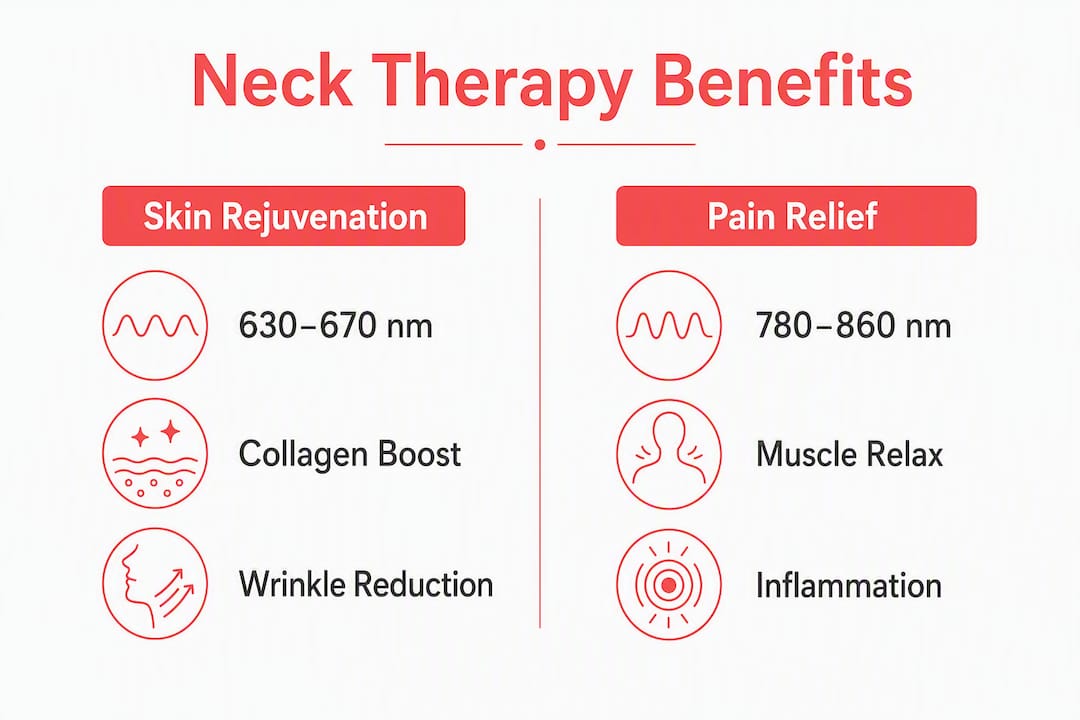
One critical dosing principle: photobiomodulation follows a biphasic dose-response curve. Both under-dosing and over-dosing reduce efficacy, which is why staying within established per-session irradiance ranges matters as much as showing up consistently.
Which device types actually work for neck anatomy?
Neck anatomy creates a specific challenge that flat facial panels and generic wands do not solve well. The treatment area runs from the base of the skull (occiput) down to the clavicle, curves around the sides, and includes the décolleté. Neck skin is also thinner than facial skin, which makes consistent, close contact more important here than almost anywhere else on the body.
Flexible neck wraps and wearable strips
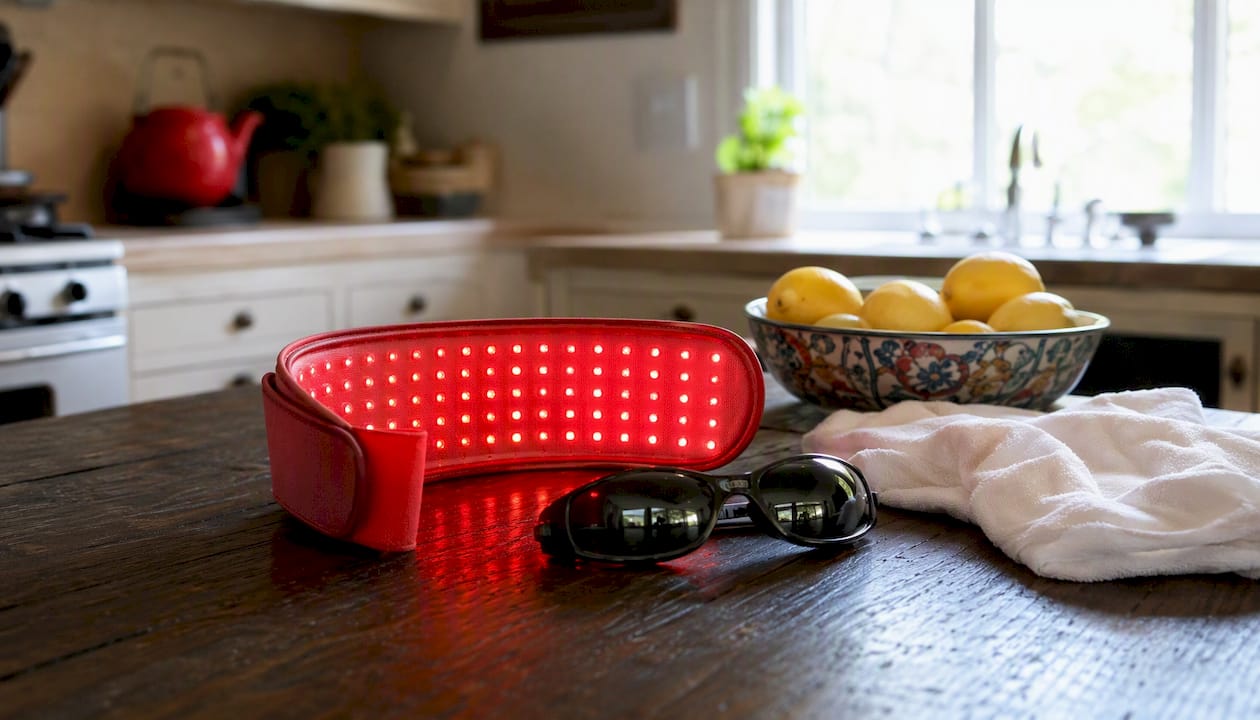
These conform to the cervical curve and allow hands-free use during a session. The best versions cover the posterior and lateral neck simultaneously, which matters for bilateral pain and for even skin treatment. The tradeoff: irradiance can vary across the surface if the LED array is not dense enough.
Face-and-neck LED masks
Masks that extend below the jawline to cover the anterior neck and upper chest offer the most practical combination for skin-focused users. They are designed for consistent proximity, typically with a silicone or flexible frame that holds LEDs at a fixed distance from the skin. Coverage from chin to clavicle in one session is the key advantage.
Mid-size flat panels
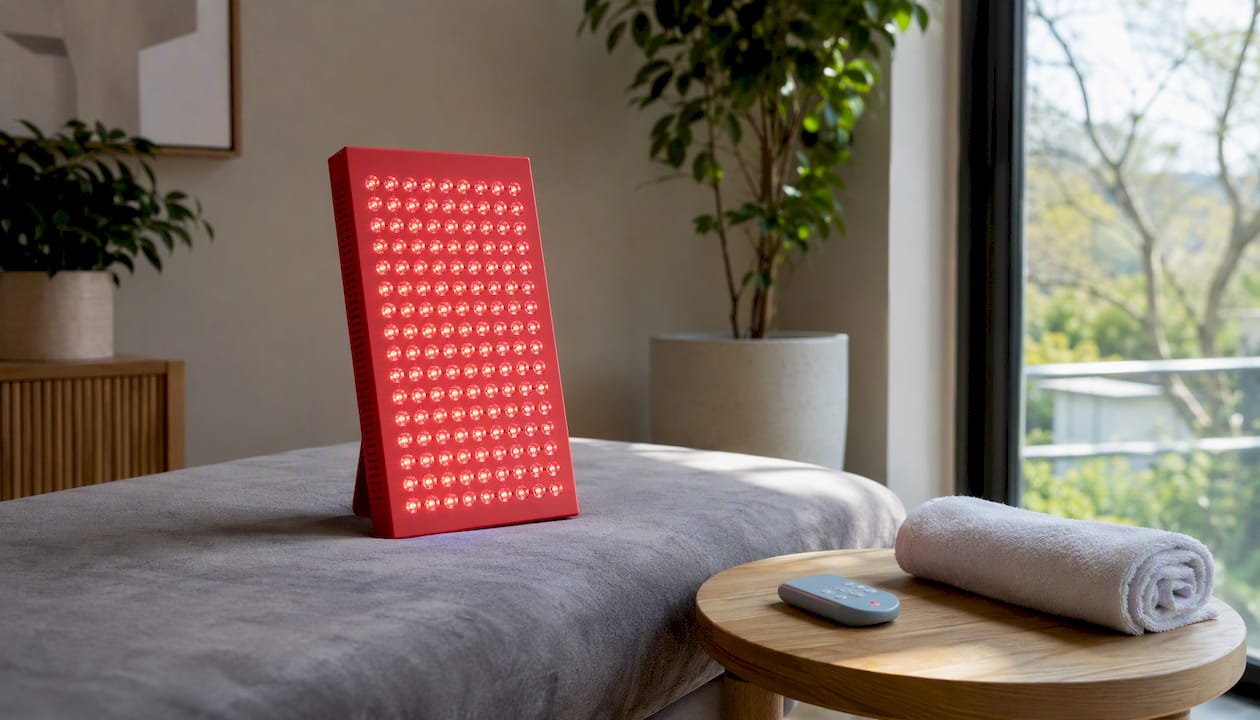
Panels in the 6"×8" to 12"×12" range work well for posterior neck pain when positioned correctly, but they require a stand or mounting system and do not conform to the neck’s curve. They tend to offer higher irradiance than wearable devices, which is useful for pain protocols.
Handheld wands and probes
Targeted probes allow precise placement on specific pain points or trigger areas. The limitation is that they require active holding throughout the session, which makes consistent 10–20 minute protocols harder to sustain.
Wearable adhesive pads
Thin, flexible pads with embedded LEDs can be placed directly on the posterior neck for pain treatment. They offer good contact but typically lower irradiance than panels or masks.
Device-fit checklist for neck coverage:
- Covers from occiput to clavicle (or at minimum the full anterior/posterior neck)
- Flexible enough to conform to the cervical curve without air gaps
- Hands-free design that holds position during a full session
- Silicone or soft-contact surface for reliable LED-to-skin proximity
- Adjustable straps or frame that fits a range of neck sizes
Pro Tip: When evaluating a neck device, lay it flat and then curve it around a cylindrical object similar in diameter to your neck. If it holds its shape and the LED array stays in contact across the curve, it will perform in use. A device that gaps at the edges delivers inconsistent dosing to the areas that need it most.
What should you look for when buying a red light device for the neck?
Specs on device packaging vary widely in how they are presented, and not all of them predict real-world results. Here is what actually matters.
Wavelengths: Look for 630–670 nm red and 830–850 nm near-infrared for combined skin and pain goals. Near-infrared wavelengths in the 780–860 nm range have the strongest evidence for deep tissue penetration and pain relief. Red wavelengths handle superficial skin remodeling. A device offering only one wavelength is a compromise.
Irradiance and dose: Clinical reports for neck applications typically reference target doses in the range of 20–50 J/cm² delivered over 10–20 minutes at moderate irradiance. Devices that publish their irradiance in mW/cm² at a stated distance give you the information you need to calculate dose. Devices that do not publish this figure are harder to evaluate.
Fit and ergonomics: For neck use specifically, a flexible, hands-free design outperforms a rigid panel in daily compliance. You will not use a device that requires you to hold it still for 15 minutes every day.
Safety certifications: Prefer devices with IEC/EN 62471 photobiological safety certification and, for U.S. buyers, FDA 510(k) clearance or a cleared indication. These are not marketing badges; they indicate the device has been evaluated against defined safety standards.
Warranty and return policy: A 30-day return window is the minimum worth considering. Devices that offer 60–90 days give you enough time to complete an initial treatment course and assess results before committing.
Price range guidance:
- Entry-level wearable neck devices: $80–$200 (lower irradiance, fewer wavelengths)
- Mid-range face-and-neck masks: $200–$500 (dual wavelength, clinical-grade fit)
- High-irradiance panels with neck-capable positioning: $300–$800+
For skin rejuvenation, a dual-wavelength mask in the mid-range tier is generally considered a practical choice. For pain, a higher-irradiance panel or a clinical-grade wearable is worth the additional investment. You can also explore at-home red light therapy device options across price tiers to calibrate your budget against your goals.
How do you use a red light device on the neck correctly?
Protocol matters as much as the device itself. Targeted application to cervical structures, not passive exposure, is what drives clinical outcomes.
Treatment protocols by goal
| Parameter | Skin Rejuvenation (Red + NIR) | Neck Pain Relief (NIR Priority) |
|---|---|---|
| Wavelengths | 630–670 nm red + 830–850 nm NIR | 780–860 nm NIR (red optional) |
| Session length | 10–20 minutes | 10–20 minutes |
| Frequency | Daily for 8 weeks, then 3–4×/week | Daily or 5×/week for 4–8 weeks |
| Expected onset | Texture changes at 4–6 weeks; wrinkle reduction at 8–12 weeks | Pain reduction sometimes noticeable within 1–2 weeks |
| Maintenance | 2–3×/week ongoing | 3×/week or as needed |
Positioning and distance
For anterior neck and décolleté (skin focus): use a mask or flexible device in direct contact or within 2–5 cm. Tilt your chin slightly upward to flatten the neck surface and maximize LED contact.
For posterior neck (pain focus): position the device directly against the cervical spine and surrounding musculature. A panel at 10–20 cm works if irradiance is sufficient; a wearable pad in direct contact is more reliable for consistent dosing.
For bilateral symptoms, treat each side in sequence or use a wrap-around device that covers both sides simultaneously.
Timeline and progression:
- Weeks 1–2: Pain users may notice reduced stiffness and improved range of motion
- Weeks 4–6: Skin users typically see early texture improvement and reduced redness
- Weeks 8–12: Measurable wrinkle reduction and investigator-assessed improvement in randomized trials
- After week 12: Shift to maintenance frequency (2–3 sessions per week)
Practical tips:
- Do not apply LED therapy immediately after retinol or strong chemical exfoliants; wait at least 24 hours to avoid irritation
- Apply sunscreen to the neck and décolleté the morning after evening sessions
- Track progress with consistent photos taken in the same lighting every two weeks
- Keep a simple log of session length and any changes in pain or skin texture to identify your personal response curve
Is red light therapy on the neck safe, and who should avoid it?
For most healthy adults, red and near-infrared light therapy at recommended doses is well tolerated. The randomized LED neck device trial reported no significant thyroid-related complications and no serious adverse events in its study population, which is reassuring given that the thyroid sits in the anterior neck.
Common side effects (rare and typically mild):
- Temporary warmth or mild redness at the treatment site
- Mild headache if the device is used near the eyes without protection
- Skin sensitivity if used immediately after active exfoliants
Contraindications and cautions:
- Pregnancy: Avoid use on the neck and décolleté during pregnancy; safety data in pregnant populations is not established
- Active cancer treatment: Consult your oncologist before use; photobiomodulation is not recommended during active chemotherapy or radiation
- Implanted electronic devices: Individuals with pacemakers or implanted neurostimulators should consult their physician before using any LED or light-based device near the neck
- Photosensitizing medications: Certain antibiotics, retinoids, and diuretics increase light sensitivity; check with your prescribing physician
- Minors: Not recommended for use in children without medical supervision
- Thyroid conditions: While the clinical trial above found no significant thyroid complications, individuals with active thyroid disease should consult their physician before treating the anterior neck
Eye protection: Always use the provided eye protection or close your eyes during treatment if the device is positioned near the face. Direct exposure to high-intensity LEDs at close range carries photobiological risk.
Safety certifications to prefer: IEC/EN 62471 photobiological safety rating and FDA clearance are the two most meaningful signals for U.S. buyers. Devices carrying both have been evaluated against defined exposure limits.
When to see a doctor: If neck pain is worsening rather than improving after 4 weeks of consistent treatment, or if you experience neurological symptoms (numbness, tingling, weakness in the arms), stop treatment and consult a physician. Underlying cervical pathology such as disc herniation or stenosis requires medical evaluation before any device-based therapy.
This article provides general information, not medical advice. Confirm current guidelines with a qualified healthcare provider before starting any light-based therapy.
Why Soneda’s neck-capable devices are the recommended at-home option
Most at-home LED devices are designed for the face. Soneda’s lineup is built differently, with neck anatomy and multi-wavelength coverage as explicit design priorities.
The Soneda Lumira LED Face & Neck Mask is the primary recommendation for skin-focused users. It extends coverage from the face down to the neck and décolleté in a single session, uses a four-wavelength LED array, and is designed for hands-free use. That combination directly addresses the three biggest compliance barriers in neck LED therapy: coverage, convenience, and consistent proximity.
The VividLift™ 2-in-1 HIFU+Sono adds a different layer. HIFU delivers focused ultrasound energy to the SMAS layer beneath the skin, stimulating collagen at depths that surface LED cannot reach. Sonophoresis enhances product absorption into the neck and décolleté. For users dealing with both skin laxity and surface texture concerns, the combination of HIFU depth and LED surface work covers the full treatment spectrum. Sonedaskincare reports a 100% user satisfaction rate, with clinical results showing a substantial increase in skin hydration.
Soneda device comparison for neck treatment
| Feature | Soneda Lumira LED Mask | VividLift™ 2-in-1 HIFU+Sono |
|---|---|---|
| Primary technology | Multi-wavelength LED (4 wavelengths) | HIFU + Sonophoresis |
| Neck coverage | Face + neck + décolleté | Targeted application, neck-capable |
| Hands-free design | Yes | Handheld wand |
| Skin goal | Wrinkle reduction, tone, texture | Lifting, collagen, hydration |
| Pain application | Surface anti-inflammatory | Not primary indication |
| Safety certifications | Korea Institute of Dermatological Sciences tested | Clinically proven |
How Soneda devices match the protocols above:
- The Lumira’s four-wavelength output covers both the red (surface) and near-infrared (deeper) ranges needed for the skin rejuvenation protocol
- Hands-free design supports the 10–20 minute daily sessions required for 8–12 week clinical-grade results
- The VividLift’s HIFU technology addresses collagen at the structural level, complementing LED surface work for users with significant laxity
For a deeper look at how multi-wavelength LED technology works across Sonedaskincare’s lineup, the Soneda Sculpt EMS and LED device page explains the wavelength rationale in detail.
What users say about neck red light therapy results
User feedback on neck-specific LED therapy consistently clusters around two themes: the importance of consistency and the surprise at how long visible skin changes take compared to pain relief.
Users treating neck pain with wearable or panel-based near-infrared devices frequently report noticeable stiffness reduction within the first two weeks, which aligns with the pilot study data showing short-term functional improvement. The most common complaint is not lack of efficacy but inconsistent use: missing sessions during busy weeks and then attributing slower results to the device rather than the protocol.
For skin rejuvenation, the pattern is different. Users who commit to 8–12 weeks of consistent sessions report visible improvement in neck texture, reduced crepiness, and a more even tone on the décolleté. Those who stop at four to six weeks often report minimal change, which is consistent with the clinical trial timeline showing measurable wrinkle improvement at 12 weeks.
Sonedaskincare reports very high user satisfaction among those who have followed the recommended protocol with the brand’s devices. The most common positive feedback centers on the hands-free design of the Lumira mask, which makes daily 15-minute sessions realistic for working adults.
One pattern worth noting: users who combine LED therapy with a collagen-supporting topical routine, such as peptide serums applied before sessions, report faster subjective improvement. This is consistent with the mechanism: LED stimulates fibroblast activity, and providing the building blocks (amino acids, growth factors) at the same time may amplify the response. For more on supporting collagen production alongside device use, Sonedaskincare’s guide on how to stimulate collagen production covers the complementary strategies in detail.
Key Takeaways
Dual-wavelength LED therapy combining red and near-infrared wavelengths is the most clinically supported at-home approach for both neck skin rejuvenation and neck pain relief, with visible skin results typically requiring several weeks of consistent use.
| Point | Details |
|---|---|
| Wavelengths matter | Use 630–670 nm red for skin and 780–860 nm NIR for pain; dual-wavelength devices cover both goals. |
| Timeline is non-negotiable | Skin changes require 8–12 weeks of consistent sessions; pain relief can appear within 1–2 weeks. |
| Fit drives compliance | Flexible, hands-free neck devices outperform flat panels for daily use on the neck’s curved anatomy. |
| Safety first | Prefer IEC/EN 62471-rated, FDA-cleared devices; avoid anterior neck use if you have active thyroid disease without physician clearance. |
| Sonedaskincare recommendation | The Soneda Lumira LED Face & Neck Mask covers face, neck, and décolleté with four wavelengths; VividLift™ adds HIFU depth for laxity and collagen support. |
The tradeoffs most buyers underestimate when choosing a neck device
The most common mistake is buying for the spec sheet rather than for the protocol. A device with impressive irradiance numbers that you cannot comfortably wear for 15 minutes daily will underperform a mid-range mask you actually use every evening.
The real tradeoffs come down to three decisions:
- Convenience vs. irradiance: Wearable neck devices prioritize fit and hands-free use; flat panels deliver higher irradiance but require active positioning. For skin goals, the wearable wins on compliance. For serious pain management, a higher-irradiance panel may be worth the inconvenience.
- Flexible fit vs. panel coverage: A flexible mask that wraps the neck delivers consistent proximity across the curved surface. A flat panel at 15 cm has an air gap that reduces effective dose at the skin. For neck-specific treatment, contact or near-contact wins.
- Single-purpose vs. multi-function: A dedicated LED neck mask does one thing well. A device combining HIFU, sonophoresis, and LED covers lifting, hydration, and surface rejuvenation in one tool. If your concern is both texture and laxity, the multi-function approach is more cost-effective over time.
For buyers who want at-home clinical results without the tradeoffs of single-purpose devices, the Sonedaskincare lineup, particularly the Lumira and VividLift combination, is the most complete answer currently available for neck and décolleté treatment.
Soneda’s neck-capable devices: what’s available and how to get them
The Soneda Lumira LED Face & Neck Mask is available for preorder now. It delivers four-wavelength LED therapy across the face, neck, and décolleté in a single hands-free session, making it the most practical at-home option for users serious about neck skin rejuvenation. The hands-free design means you can complete a full 15-minute session without interrupting your evening routine.
For users focused on lifting and collagen support alongside surface LED work, the VividLift™ 2-in-1 HIFU+Sono combines HIFU and sonophoresis technologies in one device. A bundle option is also available for buyers who want both technologies at a better combined price. All Sonedaskincare devices come with a 100% money-back guarantee, so you can complete an initial treatment course and assess your results before fully committing.
To get started, visit the Lumira preorder page or the VividLift product page, select your device, and check current availability and bundle offers. Customer support is available directly through the Sonedaskincare site for any questions about which device fits your specific skin or pain goals.
Sources and further reading
The clinical evidence and protocol guidance in this article draws from the following sources:
- Efficacy and Safety of a Home-Use LED Neck Device for Improvement in Neck Wrinkles (PMC) — The primary multicenter, randomized, double-blind trial on LED neck devices; covers efficacy, safety, thyroid monitoring, and dose-response data. Essential reading for anyone evaluating neck LED devices.
- FDA 510(k) Clearances Database — Official U.S. database for verifying device clearance status; use to confirm any device’s regulatory standing before purchase.
- American Academy of Dermatology: Red Light Therapy Safety — Dermatologist-reviewed safety overview; useful for contraindications and general guidance.
- Soneda Lumira LED Face & Neck Mask (Sonedaskincare) — Product page with full specifications and preorder details.
- VividLift™ 2-in-1 HIFU+Sono (Sonedaskincare) — Landing page for Soneda’s HIFU and sonophoresis device; includes technology explanation and clinical proof points.


